The Crew
Three souls. Infinite roads. Zero fixed addresses.
In 2019, after a decade in Colorado, two people looked at each other, looked at their stuff, and decided the math didn't add up. The house, the commute, the endless accumulation — it was all pointing somewhere predictable. So they packed everything down to what fit in bags, rescued a pirate hedgehog Beanie Baby of considerable dignity, and left.
The first chapter was afloat. They lived aboard a 36-foot ketch — a stalwart, slightly temperamental vessel that demanded respect and rewarded patience. They learned to anchor in glassy bays, to provision from local mercados, to coil lines properly, and to understand what it means to have a home that rises and falls with the tides. The Bahamas became the pinnacle: endless flats the color of swimming pools, absurd stars above, and shorebirds you couldn't name fast enough.
When the boat chapter closed, the road simply continued. Ecuador's cloud forests, Costa Rican jungles, Mexico's desert coasts, Vermont's changing seasons — each place taught them something different. The pattern crystallized: find a place, stay long enough to really know it, then move on richer for the experience.
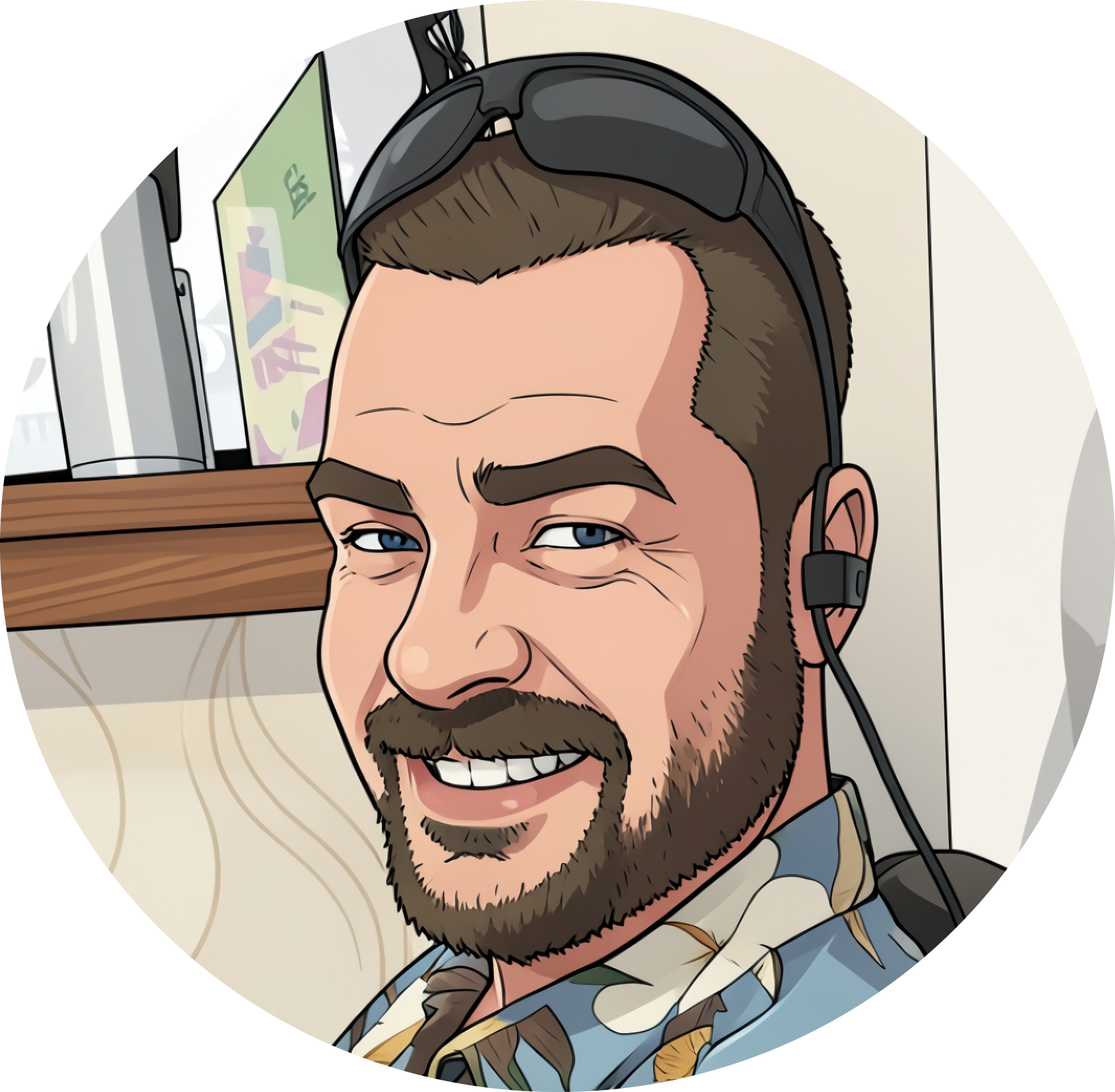
Software Architect · Engineer · Remote Work Enabler
Twenty years of building systems that work at the intersection of code and real life. Jordan is the infrastructure that keeps the Flomads moving — managing cloud systems, architecting solutions, and ensuring that remote work actually works from anywhere on the planet. Also a student of the harmonica, with varying degrees of commitment.
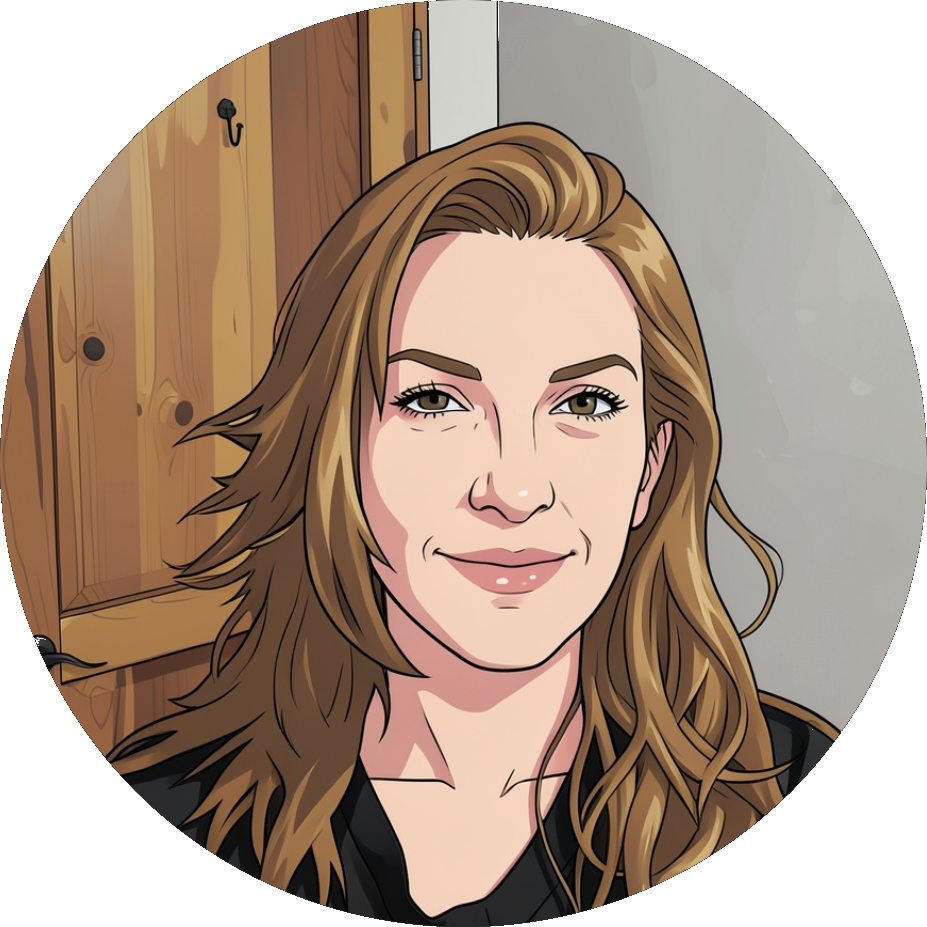
Artist · Carver · Copy Editor · Digital Designer
Where there is wood, stone, or an empty jar, there will eventually be art. The Admiral carves animals and etches glass at every stop, leaving small sentinels behind — little guardians in gardens and on bookshelves long after the Flomads have departed. An excellent judge of when a terrace drink is necessary (spoiler: not as often as Jordan would like). Also a devoted birder and the keeper of good taste.
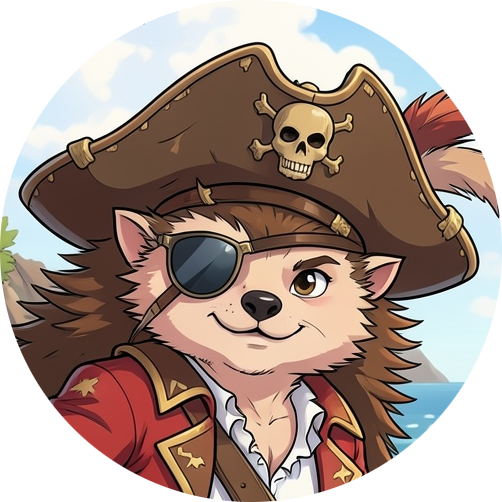
Chief Navigator · Morale Officer · Pirate Hedgehog
A Beanie Baby of impeccable character and fearsome reputation. Henry has crossed oceans, survived customs (philosophically), and brings an air of maritime authority to every location. Requires no sustenance, offers boundless companionship, and is exceptionally photogenic. His steady presence reminds the crew that sometimes the best travel companion asks for nothing but loyalty.
The leap. After a decade in one place, they downsized to bags, adopted Henry, and decided to see what the world looked like when home wasn't fixed to one address.
A 36-foot ketch became home. Florida anchorages, Caribbean flats, the rhythm of tides and wind. They learned that the ocean is patient and unforgiving in equal measure. Also included a Vermont summer and the realization that boats and land travel could coexist in one nomadic life.
A whole year of glassy flats the color of swimming pools. Berry Islands. The Exumas. Star-filled nights and shorebirds galore — egrets, sapsuckers, terns in abundance. The boat era's high point: living in one of Earth's most beautiful places long enough to understand why.
Five months in the cloud forests of the Andes. Long-term rental, remote work proving itself possible, and the first serious feeling of "maybe we could live somewhere like this." Bird identification became a passion. Spanish improved. The dream of a finca took root.
La Fortuna and Santa Maria de Dota in Costa Rica brought jungles, volcanoes, and motmots. Todos Santos, Mexico showed desert coastal living. Each place left them with carvings given and memories earned.
Vermont to peep some leafs, and Melbourne, Florida twice over. The next chapter is beginning. They discovered pet-sitting and realized this was the missing piece; animals for companionship, homes to care for, and a remote income that lets them stay in each place long enough to truly belong.
Currently in the English countryside, caring for dogs, working remotely, and walking to a proper pub and figuring out what a carvery is. This is what slow travel looks like: no rushing, no checking boxes, just living in a place and letting it become part of the story. What comes next? Still unwritten, still calling.
The Flomads are building toward something intentional. Not a return to the fixed life they left, but a different kind of rootedness — a finca in Ecuador where they can grow food, build community, and have a permanent base that feels like home without requiring them to stop exploring. Ecuadorian citizenship is the bureaucratic thread; the sustainable farm is the dream behind it.
In the meantime, they travel by sea, by land, and by air. They sit with other people's animals and treat them like their own. They carve wooden figures and leave them in gardens. They watch for birds — egrets and tanagers and hummingbirds that only exist in specific places. They study harmonica scales, sketch things that might look like something, etch designs into found jars. They grill al fresco and drink on terraces and stay in each place long enough to have a favorite market, a favorite walking route, a favorite view of sunset.
That's the Flomad life: not running away from anything. Running toward something that gets more interesting, more rich, more *real* the closer they get. One place at a time, one meal at a time, one carved gnome at a time.